Most people don't overclaim. They underclaim, because nobody ever told them what counted. Here's the list we end up walking clients through, plus one change from April that a lot of people have missed.
Mileage went up to 55p
For the first time in fifteen years, the approved mileage rate changed. From April 2026 it's 55p per mile for the first 10,000 business miles in a car or van, and 25p per mile after that.
If you're self-employed, that's the simplified rate you claim instead of working out the actual running costs. If you're a director using your own car for business, that's what your company can pay you, tax-free.
Two rules decide whether it's worth anything:
- Commuting doesn't count. Travel from home to your usual place of work is not business mileage.
- No log, no claim. Date, destination, reason, miles. An app does this in the background; so does a notebook.
At 10,000 miles, the difference between the old rate and the new one is £1,000 of extra deductible cost. Worth five minutes of admin.
Working from home
If you work from home, a proportion of your household costs is claimable. There's a simplified flat rate based on hours worked, or you can apportion actual costs — rent or mortgage interest, council tax, electricity, gas, broadband — by rooms and time used.
Directors of limited companies are treated slightly differently to sole traders here, so check which route applies to you before claiming. If you're still weighing up which structure suits you, our guide to the benefits of a private limited company covers the trade-offs.
The everyday list people forget
- Phone and broadband, business proportion
- Software and subscriptions you genuinely use for work
- Professional subscriptions and memberships
- Training that improves a skill you already use in the business
- Bank charges and payment processing fees
- Insurance, including professional indemnity
- Accountancy and legal fees
- Equipment, through capital allowances
- Advertising and website costs
- Stock, materials and direct costs of delivery
Creators have a few categories of their own — gifted products, kit, and content costs. We cover those separately in our guide to tax for influencers and content creators.
Pre-registration VAT: the one worth real money
Just registered for VAT? You can normally reclaim VAT on things you bought before you registered:
- Goods bought up to 4 years before registration, if you still hold them, or they're part of goods you still hold
- Services supplied in the 6 months before registration
For a business that bought cameras, tools, a van or stock while growing towards the threshold, that can make the first return a lot more interesting. You need the original VAT invoices, so dig them out before you file.
What isn't claimable, however much you'd like it to be
- Everyday clothing, even if you wear it to work
- Gym membership, in almost all cases
- Client entertaining
- Fines and parking tickets
- Commuting
- Anything with substantial private use, unless you apportion it honestly
The test for a sole trader is whether the cost is wholly and exclusively for the business. If something is used both ways, split it on a sensible basis and keep a note of how you worked it out.
Records are the whole game
HMRC doesn't take your word for it. A claim you can't evidence is a claim you lose if anyone asks.
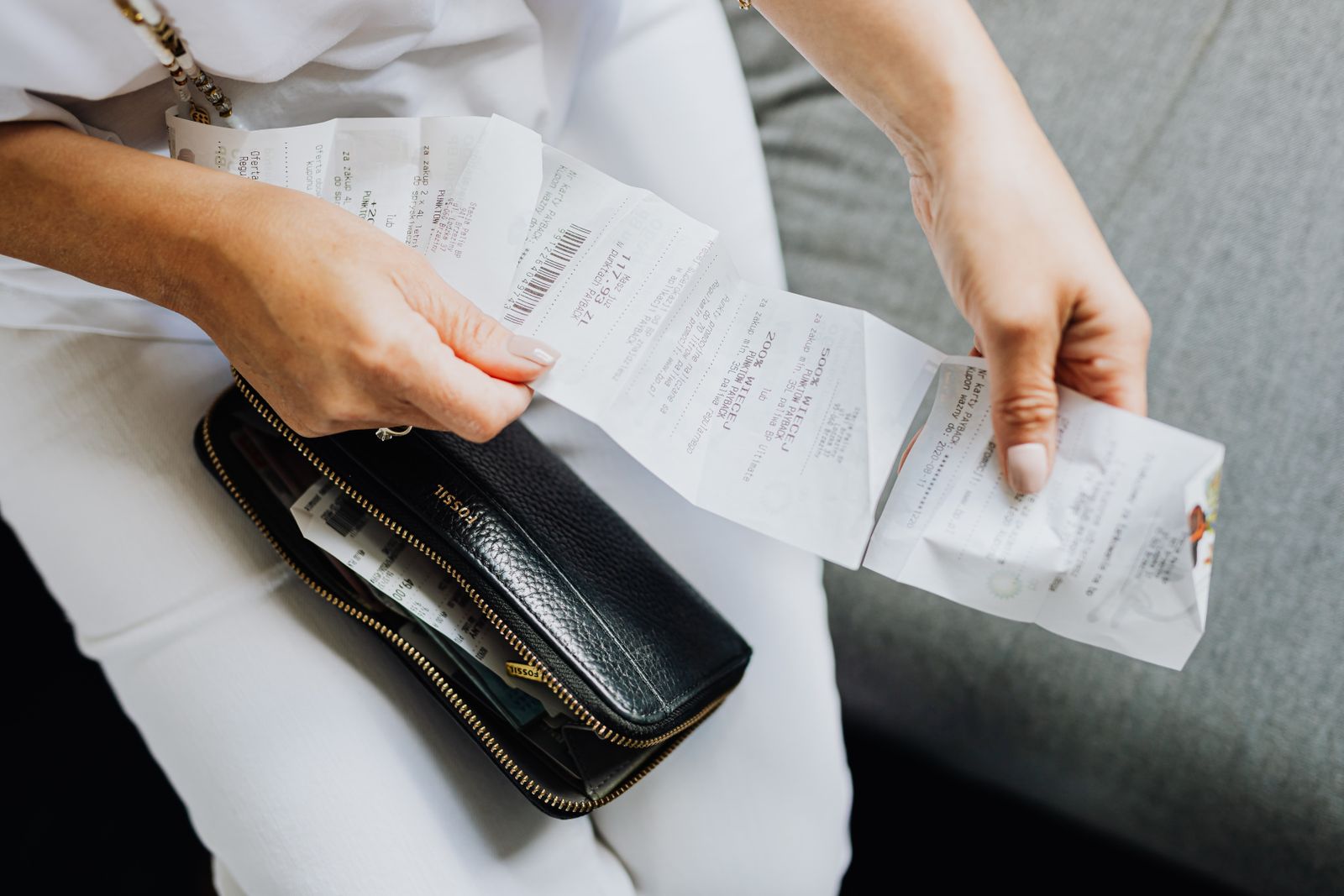
Photograph receipts as you get them. Dext reads them. That's genuinely all the discipline required — the failure mode isn't dishonesty, it's a carrier bag of faded thermal paper in March.
Just starting out and not sure whether you even need to file? Read our guide to the £1,000 trading allowance first.
How we help
We go through your spending line by line and tell you what counts. AI does the sorting and matching; a qualified accountant checks everything before it goes near HMRC.
From £39/month + VAT, fixed, with FreeAgent and Dext included — see our pricing page for what's in each plan.
WhatsApp 07597 802579. A real accountant replies — not a bot.